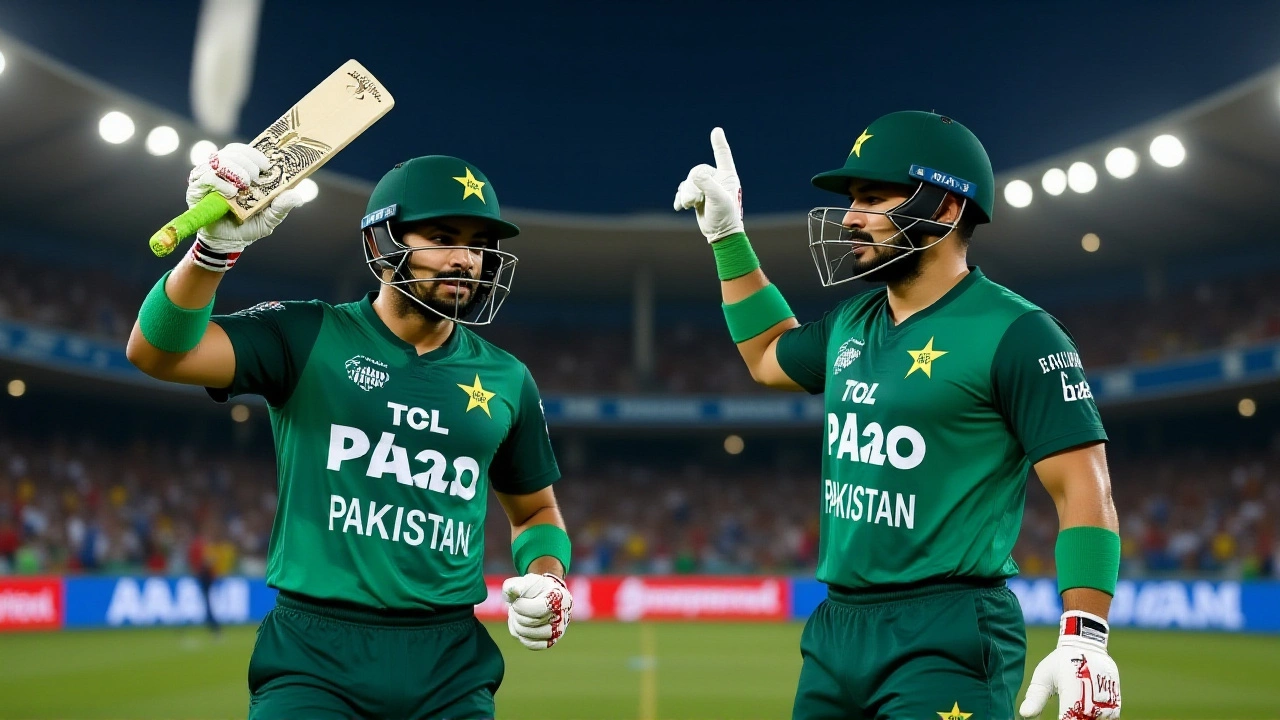
When Sahibzada Farhan raised his bat like a pistol after reaching 50 against India in the Asia Cup 2025 Dubai, the crowd erupted — but not everyone cheered. The gesture, a signature celebration he claimed was rooted in his Pashtun heritage from Charsadda, Khyber Pakhtunkhwa, triggered an official complaint from the Board of Control for Cricket in India (BCCI) and a formal warning from the International Cricket Council (ICC). What followed was a storm of social media outrage, cultural debate, and a startling contrast: condemnation abroad, hero worship at home.
"I Didn’t Care What People Think"
Farhan’s celebration wasn’t subtle. He gripped his bat like a revolver, finger extended, mimicking a trigger pull — a motion he repeated after his 57-run knock in the Super 4 clash on November 23, 2025. The BCCI immediately labeled it "insensitive" and "provocative," citing the lingering trauma of the February 2025 Pulwama terror attack that killed 26 civilians. "It’s not just a celebration," said a senior BCCI official off-record. "It’s a symbol that cuts too deep in this region." The ICC, while stopping short of a fine, issued Farhan a written warning — the same day, teammate Haris Rauf was fined 30% of his match fee for a fighter jet gesture. Fans noticed the disparity. Why a warning for Farhan, but a financial penalty for Rauf? The inconsistency fueled criticism across social media and cricket forums.
Self-Restraint in the Final — But Not for Long
When Farhan reached his fifty again in the Asia Cup final, this time off just 36 balls, the stadium held its breath. He began the motion — bat raised, finger poised — then froze. A glance toward the Indian bench. A whisper from his captain. He lowered the bat, opting instead for a simple raise. "I saw the warning," Farhan later told reporters. "I didn’t want to get suspended. But I didn’t stop because I thought it was wrong. I stopped because I was scared of the fallout." The moment went viral — not for the celebration, but for its absence. Pakistani fans, many of whom had seen Farhan’s celebration as a defiant act of pride, were disappointed. Yet, his performance didn’t waver. He finished the tournament with 217 runs in seven innings at a strike rate of 116.04, his 14 fours and 11 sixes proving he was Pakistan’s most aggressive opener.
From Controversy to Celebration in Charsadda
Back home, the narrative flipped. Upon landing in Pakistan after the tournament — despite three straight losses to India — Farhan was greeted like a war hero in his hometown of Charsadda. Flower garlands draped his shoulders. Children held banners reading "Our Gun King." His bat manufacturer, StrikeX, rushed out a limited-edition sticker featuring Farhan mid-celebration, with the tagline: "Pride, Not Provocation." Social media flooded with memes, some mocking, others defiant. "If a man celebrates his culture, why is it a crime?" asked one viral post from Peshawar. The contrast was stark: vilified in India, venerated in Khyber Pakhtunkhwa. Even after the ICC warning, Farhan was photographed holding his bat in the same pose during a commercial shoot for a local energy drink — a clear signal he had no intention of changing.
Records That Outshone the Controversy
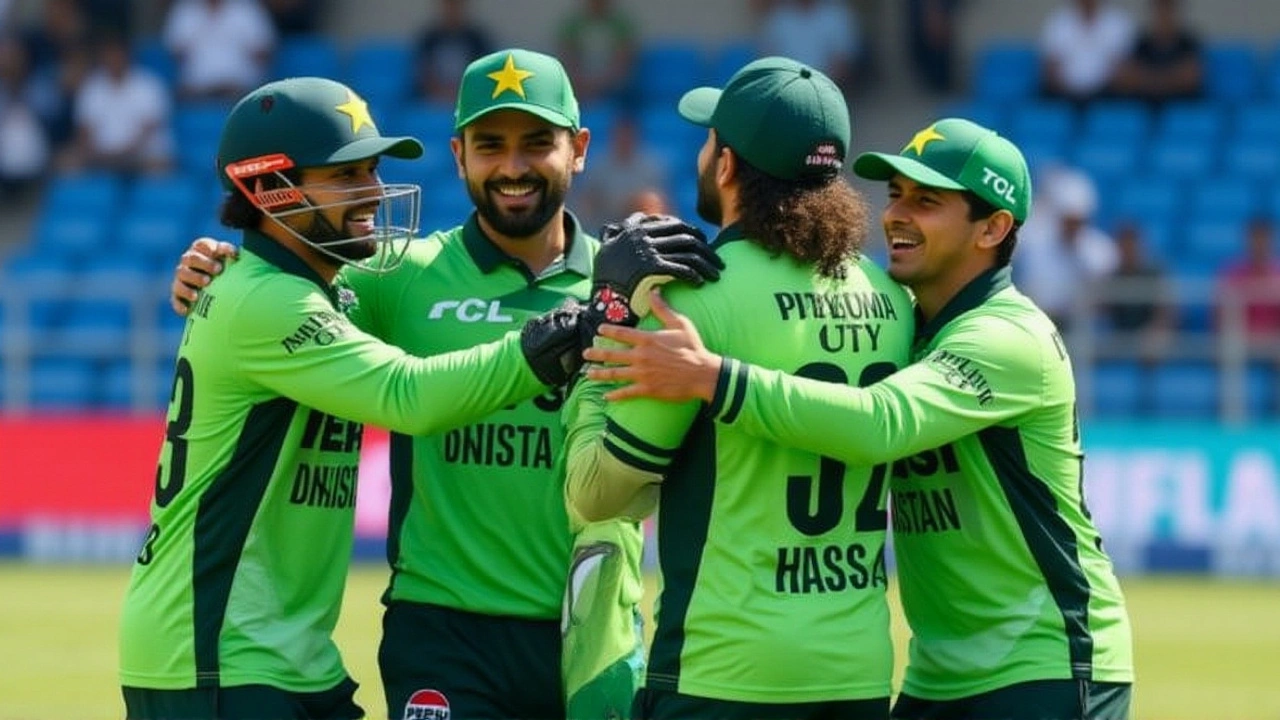
While the world debated his gesture, Farhan quietly rewrote the record books. In a Tri-Series match against Sri Lanka just weeks after the Asia Cup, he smashed an unbeaten 80 off 47 balls — 6 fours, 5 sixes. That innings pushed his total T20 sixes for 2025 to 102, making him the first Pakistani ever to cross the century mark in a single calendar year. He also tied the global record for most T20 half-centuries in a year: 15. He shared the crown with England’s Jos Buttler, who managed 14. "He’s not just a hitter," said former Pakistan captain Misbah-ul-Haq on TV. "He’s a phenomenon. The celebration? That’s his personality. His numbers? That’s his legacy. And legacy doesn’t get erased by a gesture."
Why This Matters Beyond Cricket
This isn’t just about a bat raised like a gun. It’s about identity, trauma, and how sports become a canvas for political and cultural expression. In India, the gesture evoked the horror of Pulwama — a day etched in national memory. In Pakistan’s Pashtun belt, it’s seen as a warrior’s salute, a tradition passed down through generations. The ICC’s response — a warning, not a fine — suggests they’re walking a tightrope between enforcing decorum and respecting cultural nuance. But the real tension lies in the public’s reaction: one side sees disrespect; the other, defiance. Farhan’s case forces cricket’s governing bodies to ask: When does celebration cross into provocation? And who gets to decide?
What’s Next?
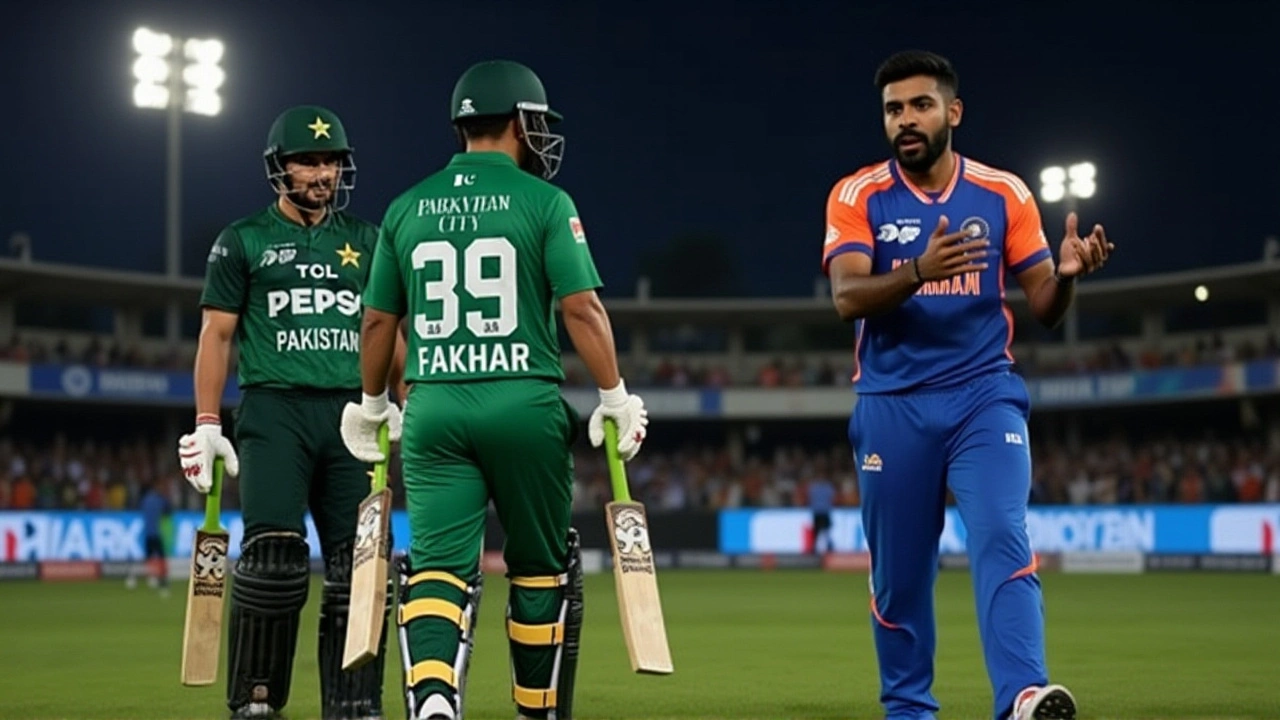
Farhan is set to captain Pakistan in the upcoming T20 World Cup qualifiers. His bat will be under scrutiny. Will he celebrate? Will the ICC escalate penalties? Will the BCCI press for a rule change? And more importantly — will fans in India and Pakistan ever agree on what’s acceptable? One thing’s certain: Farhan won’t be silenced. "They can warn me," he said in a recent interview. "But they can’t take away what I am. And I’m proud of that."
Frequently Asked Questions
Why did the BCCI complain about Sahibzada Farhan’s celebration?
The BCCI filed a formal complaint because Farhan’s bat-as-gun gesture was seen as a direct, insensitive reference to the February 2025 Pulwama terror attack, in which 26 Indian civilians were killed. In the context of India-Pakistan tensions, the gesture was interpreted as mocking national trauma, not just a personal celebration.
Why was Farhan only warned by the ICC, while Haris Rauf was fined?
The ICC treated Farhan’s gun gesture as a cultural issue requiring a warning, while Rauf’s fighter jet motion was classified as a commercialized, non-cultural spectacle — a violation of the ICC’s code on "excessive or inappropriate celebrations." The inconsistency sparked debate, but officials cited differing interpretations of intent and context.
Is Farhan’s celebration truly part of Pashtun tradition?
While Farhan claims it’s rooted in Pashtun culture, anthropologists and local elders in Khyber Pakhtunkhwa say no such tradition exists in formal Pashtun ceremonies. The gesture appears to be a personal innovation, possibly inspired by pop culture or regional sports rituals, not a centuries-old custom.
How did Farhan break the T20 sixes record in 2025?
Farhan hit 102 sixes in T20 matches across the Pakistan Super League, Asia Cup, and Tri-Series in 2025. His 15 half-centuries tied him with Jos Buttler for the most in a single year. He became the first Pakistani to surpass 100 sixes in a calendar year, outpacing even global power-hitters like Glenn Maxwell and Rilee Rossouw.
Will Farhan face punishment in future matches?
If Farhan repeats the gesture, the ICC is expected to impose a fine or suspension, especially after the precedent set by Rauf’s penalty. The ICC’s disciplinary panel is reportedly reviewing whether to classify such gestures as "conduct contrary to the spirit of the game," regardless of claimed cultural intent.
What impact does this have on India-Pakistan cricket relations?
This incident deepened the emotional divide in bilateral cricket. While matches remain high-stakes, off-field tensions are rising. The BCCI has urged the ICC to introduce stricter cultural sensitivity guidelines, while Pakistan’s cricket board argues for tolerance of regional expressions. The controversy may influence future scheduling or fan engagement protocols in shared tournaments.

Rohit Chaturvedi
I am Rohit Chaturvedi, a seasoned journalist and content creator with expertise in news, small business, sports, and travel. My passion lies in sharing stories from the rich and diverse Indian landscape, covering everything from local news to cultural insights. As a well-traveled writer, I enjoy exploring unique perspectives on Indian life, highlighting the challenges and triumphs of the people and places I encounter. I take great pride in bringing authentic and engaging narratives to my readers, fostering a deeper understanding of the incredible tapestry that is India.
More Articles

MHT CET 2026 Results: Expected Dates, PCM/PCB Timeline & Scorecard Guide
MHT CET 2026 results for PCM and PCB groups are expected between late May and mid-June 2026. Answer key objections open May 20. Check official timelines and scorecard download steps here.
What is the average salary of an Indian news anchor and editor?
As a blogger, I've taken a deep dive into the financial world of Indian news anchors and editors. On average, a news anchor in India can expect to make anywhere from INR 4 lakhs to INR 15 lakhs per year, depending on their experience and the size of the media outlet. On the other hand, an editor's salary can range between INR 5 lakhs to INR 18 lakhs per year, influenced by their expertise and the prestige of the publication. It's a wide range, but it’s clear that experience and reputation play a big role in these industries. Quite a fascinating peek into the financial side of news, isn't it?
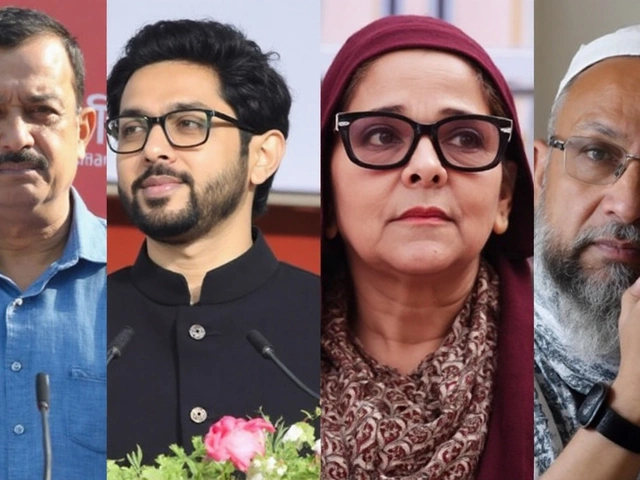
India-Pakistan Asia Cup 2025 Handshake Row: Opposition Demands Suspension, Calls It 'Treachery'
India beat Pakistan by seven wickets in the Asia Cup 2025, but a handshake snub by Indian players set off a political storm. Opposition leaders called the game 'treachery' and asked for the match to be suspended. Pakistan’s team complained to the match referee, while ACC sources say a no-handshake protocol was pre-discussed. The incident reignites questions about sportsmanship and India-Pakistan cricket ties.