
For thousands of banking aspirants in India, the wait is over. Central Bank of India has officially opened the floodgates for its 2026 recruitment cycle, announcing a massive intake of 275 Specialist Officer (SO) posts. This isn't just another routine hiring notice; it’s a significant opportunity for professionals in law, IT, credit, and risk management to secure stable, high-paying roles in one of the country’s leading public sector banks.
The clock is ticking. Candidates must submit their applications online on or before March 23, 2026. With salaries for higher-scale positions reaching approximately ₹1.2 lakh per month, this recruitment drive is shaping up to be one of the most competitive in the sector this year.
Why This Recruitment Matters Now
Here’s the thing about public sector bank jobs: they don’t come around every day, especially not in such large numbers for specialist roles. While many candidates chase Probationary Officer (PO) posts, the Specialist Officer route offers a faster track for those with specific professional expertise. You don’t need to start from scratch as a generalist; you bring your niche skills—whether that’s coding, legal compliance, or human resources—and get paid accordingly.
This announcement aligns with a broader trend across the Indian banking sector. According to industry trackers like Adda247 Jobs, the 2026–27 period is expected to see a surge in hiring across both public and private banks. Central Bank of India is clearly positioning itself to strengthen its technical and operational backbone, moving away from generic staffing toward specialized talent acquisition.
The Numbers Behind the Opportunity
Let’s break down what makes these 275 vacancies so attractive. It’s not just the job security; it’s the compensation package.
- Total Vacancies: 275 posts across various specialist streams.
- Salary Potential: Higher-scale SOs can earn up to ₹1,20,000 per month when basic pay, dearness allowance, and other benefits are combined.
- Application Deadline: March 23, 2026.
- Mode: Online only. No offline submissions accepted.
The salary structure varies by scale (Scale I, Scale II, etc.), but even entry-level specialist roles offer significantly better starting packages compared to non-specialist clerk positions. For context, while a Probationary Officer might start with a lower base, an experienced IT or Law specialist commands a premium right from the onset due to the immediate value they bring to the organization.
Who Can Apply? Eligibility and Streams
Eligibility isn’t a one-size-fits-all here. The notification prescribes post-specific criteria. If you’re an engineer, look at the IT stream. If you have an LLB, the Law stream is your target. Other key domains include Credit, Risk Management, Human Resources, and Finance.
Candidates must meet strict educational qualifications and experience requirements. For higher-scale positions, relevant work experience is mandatory. Age limits are also defined, with standard relaxations applied for reserved categories (SC/ST/OBC/EWS) as per Government of India guidelines. It’s crucial to read the official advertisement carefully—missing a single criterion can lead to automatic rejection, no matter how strong your profile is.

The Selection Process: What to Expect
Don’t think applying is enough. The selection procedure is rigorous. It typically involves two main stages:
- Online Written Examination: A computer-based test assessing your core subject knowledge, reasoning, and general awareness.
- Personal Interview: Shortlisted candidates will face an interview panel where they’ll be grilled on their professional expertise and situational judgment.
The weightage given to each stage is detailed in the official notification. There’s negative marking in the written test, so accuracy matters more than guessing. Experts suggest focusing on the syllabus provided on the bank’s portal rather than relying on generic study materials.
How to Apply Without Hiccups
The process is entirely digital. Here’s how to navigate it smoothly:
First, visit the official Central Bank of India Recruitment Portal. Create a registration account and fill in your personal, educational, and professional details accurately. Upload your photograph and signature in the prescribed format—get this wrong, and your application might be flagged.
Next, pay the application fee. Fees vary by category, with concessions for SC/ST/PwD/female candidates. Ensure the payment goes through before hitting submit. Keep a copy of the confirmation page; you’ll need it later.

Background: A History of Regular Hiring
Central Bank of India hasn’t been idle. Recent recruitment drives show a pattern of consistent manpower induction. In December 2023, the bank recruited Safai Karamcharis, and in February 2024, it hired Apprentices. More recently, it engaged faculty and counselors for Financial Literacy Centers. This 2026 SO drive is part of a strategic effort to modernize its workforce, blending traditional banking values with contemporary technical needs.
Frequently Asked Questions
What is the last date to apply for Central Bank of India SO Recruitment 2026?
The final deadline to submit online applications is March 23, 2026. Late submissions will not be accepted under any circumstances, so ensure you complete the process a few days early to avoid server congestion.
How much can a Specialist Officer earn at Central Bank of India?
Salaries vary by scale and post. However, for higher-scale specialist positions, the total monthly emoluments can reach approximately ₹1,20,000 when basic pay, dearness allowance, and other admissible benefits are included.
Is there an age relaxation for reserved category candidates?
Yes. Age relaxations are provided for Scheduled Castes (SC), Scheduled Tribes (ST), Other Backward Classes (OBC), and Economically Weaker Sections (EWS) candidates as per Government of India norms. Check the official notification for exact years of relaxation.
Can I apply offline for these Specialist Officer posts?
No. The entire application process is online. Candidates must register, fill forms, upload documents, and pay fees through the official Central Bank of India recruitment website. Offline forms are not accepted.
What happens after the written exam?
Candidates who clear the minimum qualifying marks in the online written examination will be shortlisted for a personal interview. The final selection is based on the combined performance in both stages, as per the weightage specified in the notification.

Rohit Chaturvedi
I am Rohit Chaturvedi, a seasoned journalist and content creator with expertise in news, small business, sports, and travel. My passion lies in sharing stories from the rich and diverse Indian landscape, covering everything from local news to cultural insights. As a well-traveled writer, I enjoy exploring unique perspectives on Indian life, highlighting the challenges and triumphs of the people and places I encounter. I take great pride in bringing authentic and engaging narratives to my readers, fostering a deeper understanding of the incredible tapestry that is India.
More Articles

Amit Shah to address six public rallies in Bengal today?
Amit Shah, the Union Home Minister, is set to address six public rallies in West Bengal today. The rallies are part of the Bharatiya Janata Party's campaign for the upcoming West Bengal Assembly elections. The rallies are scheduled to be held in the districts of North 24 Parganas, South 24 Parganas and Kolkata. The BJP is hoping to make a dent in the state's politics by winning the upcoming elections.
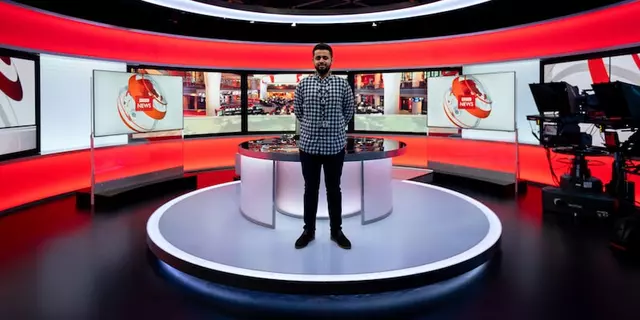
What do you think about WION News?
WION News is an Indian news channel that is broadcasted globally. It provides news about India and other parts of the world. It is known for its unbiased and balanced reporting. WION News also covers various topics such as entertainment, sports, lifestyle, and business. It provides a platform to discuss and debate current events and issues. The channel also has a dedicated team of reporters who are often seen in the field, bringing viewers the latest news. Overall, WION News is a reliable source of information and news for people around the world.
What is the average salary of an Indian news anchor and editor?
As a blogger, I've taken a deep dive into the financial world of Indian news anchors and editors. On average, a news anchor in India can expect to make anywhere from INR 4 lakhs to INR 15 lakhs per year, depending on their experience and the size of the media outlet. On the other hand, an editor's salary can range between INR 5 lakhs to INR 18 lakhs per year, influenced by their expertise and the prestige of the publication. It's a wide range, but it’s clear that experience and reputation play a big role in these industries. Quite a fascinating peek into the financial side of news, isn't it?